A Wheel, a Knife, a Question: In Praise of the Cheese Trolley
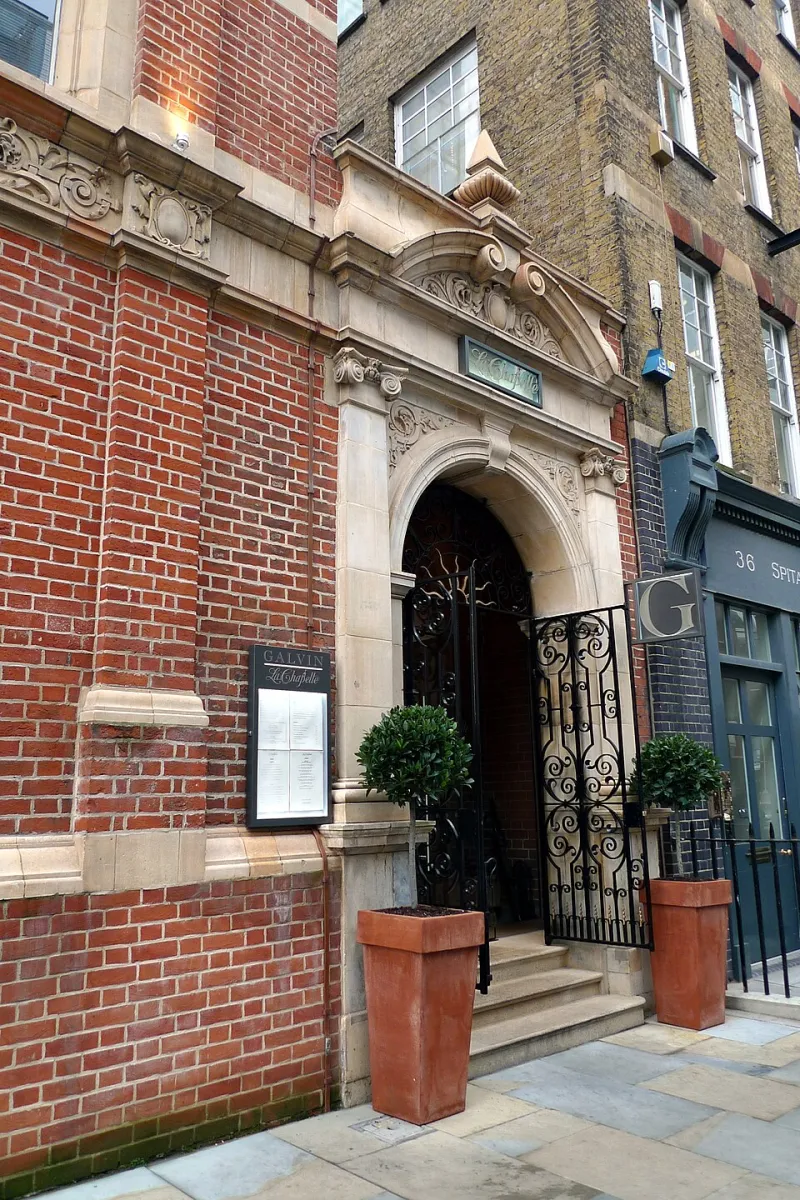
Photo: Ewan Munro, CC BY-SA 2.0, via Wikimedia Commons
There is a noise a cheese trolley makes that no other piece of restaurant furniture can quite manage. A low, rubbery squeak. A faint clink of slate against slate. Then the dome comes off and the whole table leans in, before anyone has decided whether they even want any.
That moment — the lean — is worth defending. Puddings are lovely, and we will never say otherwise, but they arrive finished. A trolley arrives unfinished, and asks you a question.
Where the trolley went
It is worth remembering that the trolley was not always a relic. Through the 1970s and 1980s it was standard kit in British hotel dining rooms and smarter restaurants: a heavy wooden cart, a dozen cheeses under slightly scratched domes, a waiter with a knife and a strong opinion about the Stilton.
Then it faded. Menus got shorter and more confident. Puddings got very good indeed. A trolley needs someone to staff it, clean it, stock it and turn it over every few days, and somewhere along the way a lot of kitchens decided three wedges on a slate was the same thing. It was not.
The revival has been slow but real, and it has arrived alongside a genuine golden age for British cheese. Montgomery's cheddar, Colston Bassett Stilton, Tunworth, Cornish Yarg, Stinking Bishop — these are not consolation prizes for people who cannot eat pudding. They are the reason some of us skip pudding.
Why the end of a meal wants a live act
A pudding is a full stop. Cheese is a comma.
Sugar closes the palate down; it tells the body the meal is over and the coffee is next. Salt, fat and a bit of acidity reopen things. Two mouthfuls of a good hard cheese after a sticky toffee affair and the evening somehow has another twenty minutes in it — not because you are hungry, but because you are interested again.
It is also, and this matters more than it sounds, slow food in the literal sense. You cannot eat cheese quickly. Slices need cutting. Bread needs breaking. Somebody has to ask what the pale one is, and somebody else has to answer. It is conversational food, and conversation is the entire point of a dressed-up dinner.
The trolley is a conversation with a knife
The serving itself is a small performance, and a generous one. The person with the knife has to read the table: whether this is a two-slice crowd or a five-slice crowd, whether the children at the end would like the mild one, whether anyone is quietly pregnant, dairy-free or simply a bit suspicious of anything that smells of a farmyard.
Good trolley service is not theatrical in the showy sense. It is theatrical in the way a good barman is theatrical — unhurried, watchful, occasionally funny, and entirely on your side. You get to watch a skill being performed two feet from your napkin. That is rarer than it should be.
Ordering without a committee
This is where lovely evenings go wrong. Six people, one trolley, twelve cheeses, and a discussion that lasts longer than the puddings did.
A few practical rules, offered gently.
Agree the number before the trolley arrives. Three cheeses for two people. Five for four. More than that and you are not tasting anything, you are just making a platter.
Let one person order. Ideally the one nearest the trolley. Everyone else can say a single word — "blue", "soft", "nothing too strong" — and then let it go.
Apply the rule of three. One cheese you know and love. One you have never heard of. One blue, unless the table is united against it.
Ask what is at its best tonight. A good trolley will have one or two things on the turn and one or two things at their absolute peak. This question gets you the peak, and it flatters the person who has been looking after the thing all week.
Say your limits out loud, once. No goat, allergic to nuts, can't abide truffle. Then stop mentioning it.
Ask for it cut small. A thin slice of five cheeses beats a doorstop of two, and it means the plate comes back empty rather than half-eaten and slightly tragic.
Bread over crackers, where possible. Bath Olivers if they have them. Oatcakes for the soft ones. A spoon for the very runny.
One chutney, not four. Quince, ideally. Something sharp and dark. A jar of everything is a hedge, not an accompaniment.
What to drink, briefly
Do not overthink this, and do not let anyone bully you into port if you do not want port.
A tawny or an LBV port is the classic, and rightly so. Madeira is the more interesting answer and handles blue cheese better than most wines. A small glass of Sauternes with a salty blue is one of the great pairings of the western world. Beyond that: a dry oloroso, a decent stout, a proper cider, a wee dram, or simply the rest of the red already open on the table. There is no wrong answer, only people being solemn about it.
The coats can wait
The trolley's real gift is timing. It sits between the last spoonful and the walk to the door, and it fills that gap with something better than a card machine. It gives the table one more thing to lean into, one more question, one more small decision to make together before the coats come off the backs of chairs.
A meal that ends with a bill and a card reader ends politely. A meal that ends with a wheel, a knife and a conversation ends properly.
Order the cheese. Take your time. The taxi can wait four minutes.