The Breathing Room Between Courses: Why We Let Dinner Pause
Photo: Company shown on match cover, Public domain, via Wikimedia Commons
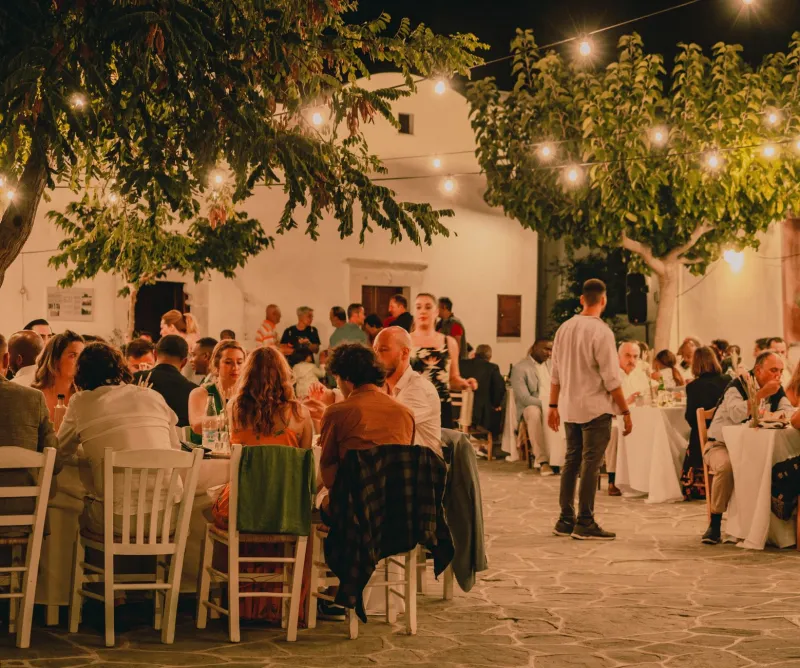
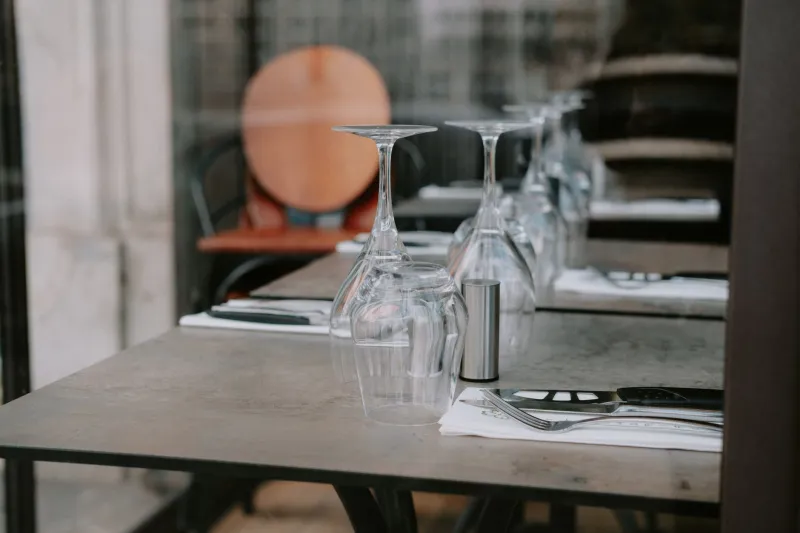
There is a particular moment in a good dinner when the starter plates have gone, the cutlery has been straightened, and the table has not yet been asked to perform again. The room seems to exhale. Glasses are topped up. Someone remembers a story they meant to tell twenty minutes ago. It is not a delay. It is the interval, and at Othello we treat it as part of the evening rather than a hole in the schedule.
The clock is not the conductor
In a theatre, nobody complains about the interval. It gives the first act time to settle and the second act room to arrive. A restaurant can work the same way. When courses land back-to-back, dinner starts to feel like a conveyor belt with better lighting. Conversation gets chopped into small, practical pieces: pass the water, check the menu, decide on wine, eat. The meal is efficient, but it never quite becomes an occasion.
A considered pause changes the rhythm. It lets the palate reset, gives the kitchen a moment to finish the main properly, and allows the table to remember why everyone came out in the first place. At Othello, we pace service like a interval in a West End show: not so long that you start checking your watch, but long enough for the evening to change gear.
Appetite is not a straight line
We tend to talk about hunger as if it were a fuel gauge, steadily dropping until the next course fills it up. In reality, appetite moves in waves. A rich starter can make the next plate look impossible for five minutes and irresistible ten minutes later. A pause gives the body time to catch up with the menu. It also gives the mind time to decide what you actually want, rather than what you panicked into ordering when the waiter first appeared.
That is one reason we like guests to use the interval rather than ignore it. Look at the wine list again. Ask what the kitchen recommends. Consider whether the table really needs a side of everything, or whether one well-chosen extra would do the job. A short breather often produces better decisions than a rushed one.
The room gets a vote
The pause is also when the dining room itself becomes part of the meal. You notice the low hum of other tables, the light on the glassware, the way the room smells of butter and something faintly savoury from the pass. In a busy restaurant, that atmosphere is not background noise. It is the thing you came for, even if you did not say so when you booked.
At Othello, we want the room to feel lived-in rather than staged. The interval is when that happens most naturally. Nobody is performing. The table is simply there, with its crumbs and its half-finished bottle and its conversation. The break between courses is when a restaurant stops being a transaction and becomes a place you are actually in.
How to use the pause well
You do not need to turn the interval into a ceremony. A few small habits make it work. Put the phone away, or at least face down. Ask for water if you need it. Use the time to talk to the people at the table rather than about the next course. If you are curious about the menu, ask: a good front-of-house team would rather answer a question than watch you guess.
It also helps to tell us what kind of evening you are having. If you are catching a train or heading to the theatre, say so. A pause can be a short breath rather than a long sigh. If you are settling in for a Saturday night with no particular place to be, the interval can stretch a little further. Pacing is a collaboration, not a rule imposed from the kitchen.
Anticipation is an ingredient
There is a reason the main course tastes better when it has been looked forward to. The gap between courses builds a small, useful tension. The table has ordered, the kitchen is working, and the next plate is not yet here. In that space, appetite sharpens and expectation rises. When the main arrives, it feels like an event rather than the next item on a list.
That is the quiet case for the pause. It is not dead time. It is the point at which dinner becomes an evening. The starter has introduced the characters; the main has not yet made its entrance; and the table has a moment to enjoy the scene. At Othello, we would rather give you that moment than hurry you past it.
So when the plates are cleared and there is a lull, do not fill it with apology. Fill it with conversation, a second look at the menu, or nothing at all. The interval is not keeping you from the meal. It is part of it.