The Little Ceremonies: Seven Quiet Flourishes That Turn Dinner Into Theatre
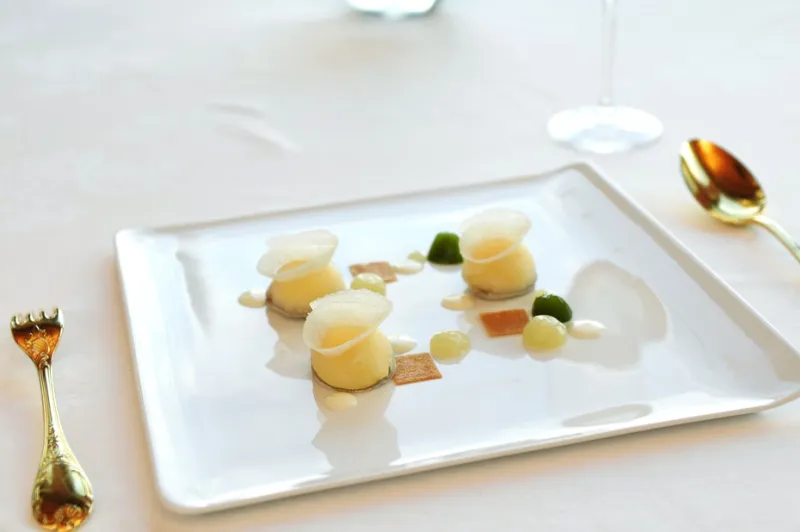
Photo: Tokyo JapanTimes, CC BY-SA 2.0, via Wikimedia Commons
Dressing up for dinner is not really about formality. It is about ceremony. It is the deliberate act of making an evening feel different from the one before it, of saying to yourself and to whoever is across the table that this matters. At Othello, we have always believed that the same logic applies to service. The grand gestures are lovely, but it is the small ceremonies that do the quiet work.
You do not need a special occasion to notice them. In fact, the best time to look is on an ordinary Tuesday, when the room is calm and the evening is yours. Here are seven little rituals that turn a meal into an event — and a gentle challenge to catch them next time you are out.
1. The first pour of water
It arrives almost without comment: a glass filled before you have properly settled, a jug left within reach. It is a tiny act of care, and it sets the tone. Water first means you are looked after before you have had to ask. It also gives you a moment to breathe, read the room and decide what kind of evening this is going to be. Notice it. It is the restaurant equivalent of holding the door open.
2. The bread and butter moment
Good bread is not a filler. It is a first impression. The warmth of it, the butter brought to the right softness, the small dish that makes it feel intentional rather than obligatory — these things tell you the kitchen is paying attention. At home, bread is a side note. In a restaurant, it can be the opening line of the whole meal. Slow down enough to taste it.
3. The arrival of the menu
There is a little theatre in the way a menu is handed over. A good front-of-house team will place it rather than drop it, give you a moment rather than launch into a speech, and let you read without hovering. That pause is a ceremony in itself: the point where anticipation becomes choice. If you are dining with someone, use it. Talk about what sounds good. Let the decision be part of the fun.
4. The fold of a napkin
It sounds absurdly small, I know. But watch what happens when someone leaves the table and returns to find their napkin folded beside their plate. It is not about pretending to be grand. It is about signalling that your place at the table is being looked after while you are away. It is the sort of detail you only notice when it is missing. When it is there, it makes the whole table feel considered.
5. The pause before the order
This is the one most of us rush. We arrive, we scan, we order, we get on with it. But there is a lovely beat just before the order is taken: the moment when the table goes quiet, everyone has chosen, and the server waits rather than pounces. It is a small piece of choreography. It gives you permission to change your mind, ask a question, or add one more thing because you have remembered how much you like it. Take that beat.
6. The way a plate lands
A plate set down properly is a kind of punctuation mark. It should arrive without a crash, without a reach across someone’s face, without the dreaded auction of who ordered what. When it is done well, you barely notice the mechanics. You notice the food. That is the point. The ceremony is invisible, but the effect is not: the meal feels smoother, calmer and more generous than it otherwise would.
7. The final coffee and the bill
Too often the end of a meal is treated as an administrative task. But the last coffee, the quiet arrival of the bill, the last few minutes before coats are gathered — these are part of the evening too. A good restaurant will not rush you out of them. It will let the table settle. It will treat the ending as a chapter rather than a full stop. If you are the diner, resist the urge to check your phone. Let the evening finish properly.
A gentle challenge
None of these rituals require a special menu or a big spend. They require attention, from the people serving and from the people sitting at the table. That is why they fit the Othello way of doing things. We like a night out that feels like a night out, and we think that feeling is built in the small moments as much as the big ones.
So next time you book a table, try this: arrive a few minutes early. Put your phone away. Watch the water being poured. Notice the bread. Let the menu sit in your hands for a moment longer than usual. You do not have to make a performance of it. You just have to be there for it. The little ceremonies are already happening. The trick is to let them land.