Table for One, Dressed for Dinner: The Solo Diners' Club
There is a particular kind of confidence in walking into a restaurant alone. Not the apologetic sort, where you ask for a table as if you are returning a library book. The proper sort: coat off, phone away, menu open, evening ahead. Solo dining used to be treated as a waiting room for people whose plans had fallen through. In 2026, it is something closer to a grown-up pleasure — and it deserves the full dress code.
The case for a table for one
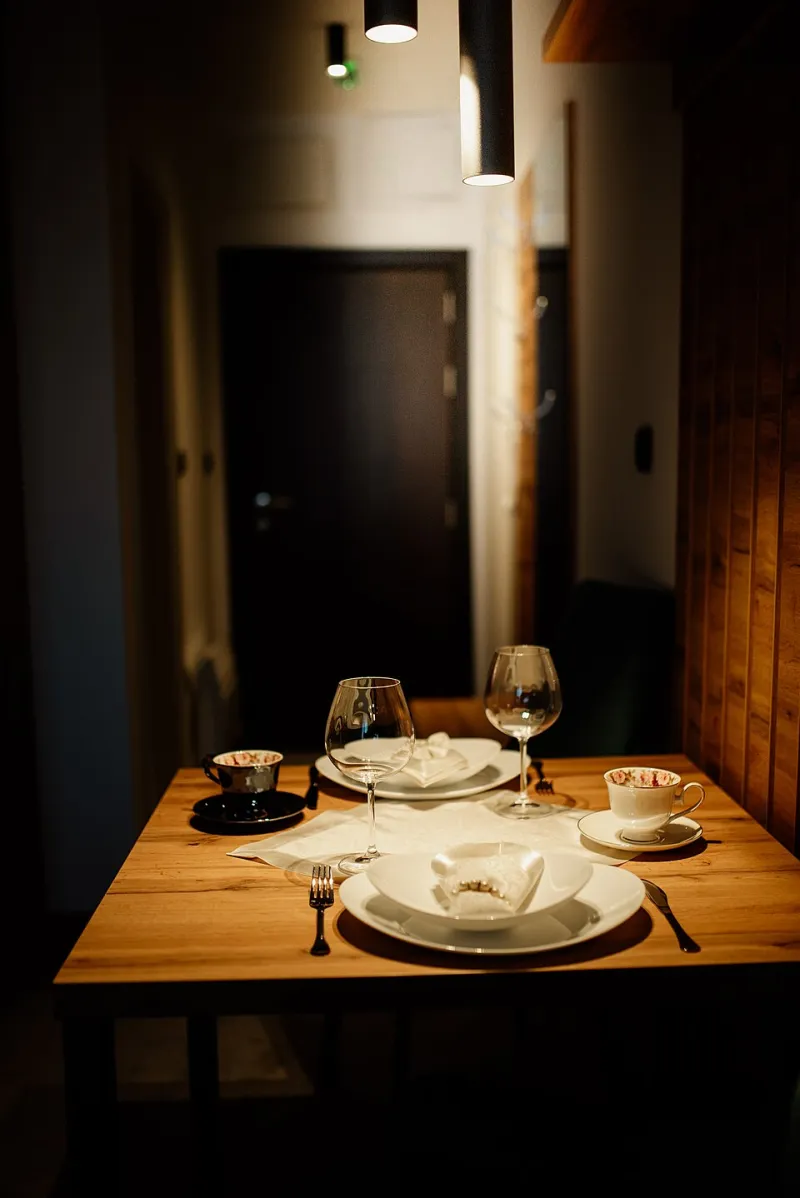
A meal alone is not a compromise. It is a different kind of evening. You choose the restaurant, the time, the pace and the conversation. If you want to read, read. If you want to watch the room, watch it. If you want to order the dish you really want rather than the one that splits neatly in two, this is your moment. There is no one to negotiate with over the last scallop or the second bottle of wine.
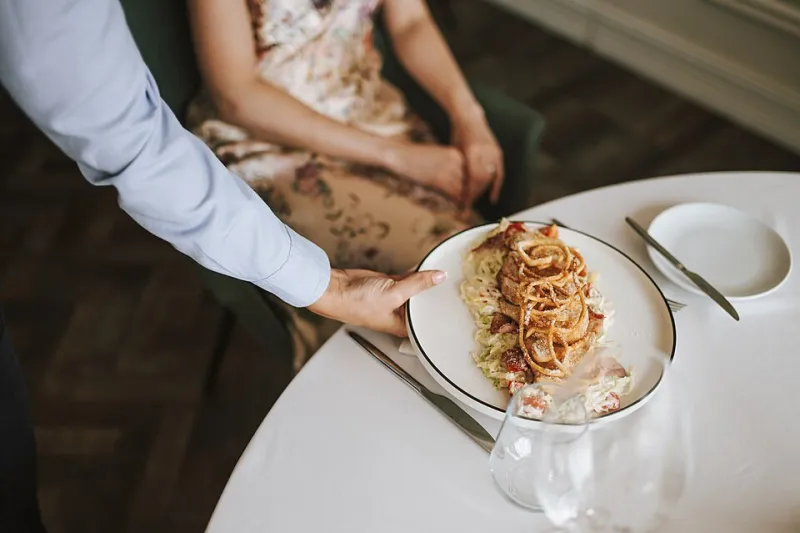
That does not mean it has to be solemn. Some of the best solo meals are quietly theatrical: the ritual of being shown to a table, the arrival of the first drink, the small performance of deciding what comes next. At Othello, we are fond of a bit of dressing up. A table for one is no reason to leave the good shirt in the wardrobe.
Booking like you mean it
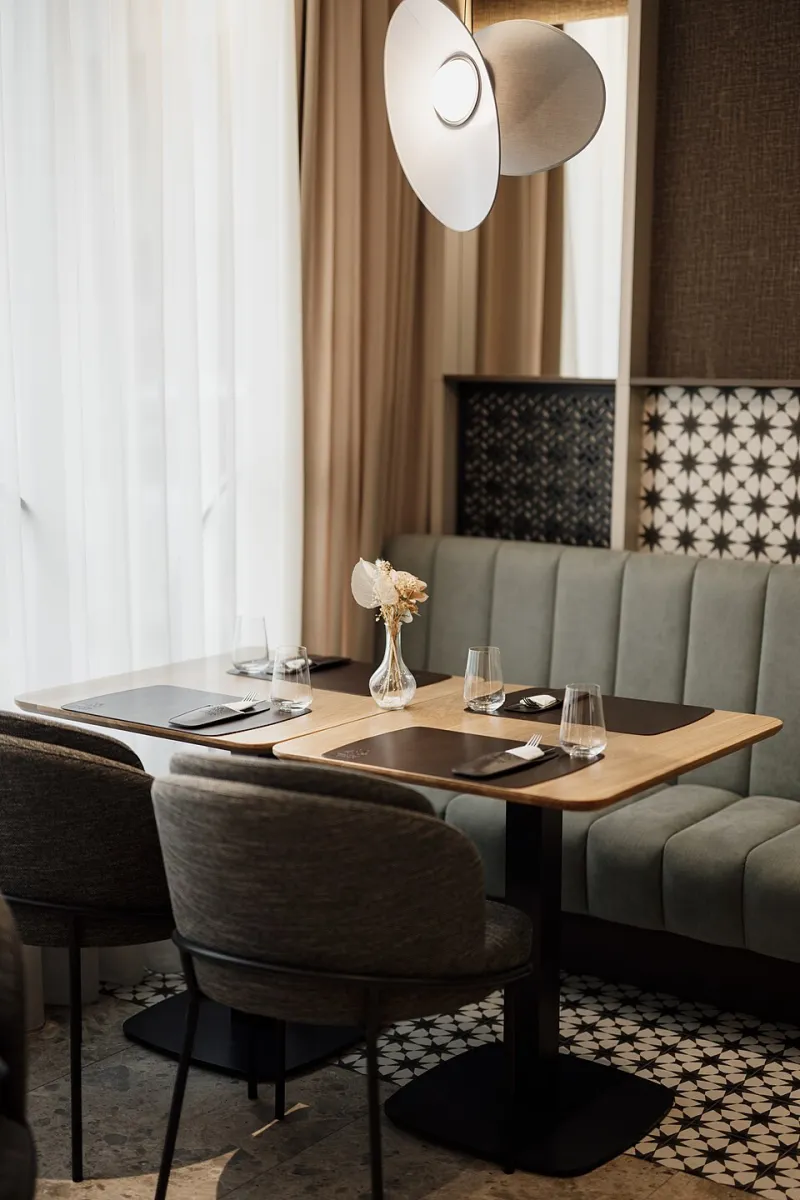
Start as you would for any other dinner: book properly. Request a table, not a favour. If you want to sit in the main room and enjoy the atmosphere, say so. If you would rather have a quieter corner, ask for that instead. The best solo table is not necessarily the smallest one near the toilets; it is the one where you feel like a guest rather than a spare part.
Weeknights can be especially good. The room has a gentler hum, the kitchen is not at full gallop, and you are more likely to get a conversation with the person looking after you. But do not rule out a Friday or Saturday. A solo diner in a busy room is not an oddity. It is a person with excellent priorities.
Ordering without overplaying the part
The temptation is to order as if you are making up for the missing company: three starters, a main, two sides, pudding, coffee, maybe a cocktail because it feels festive. Resist it. A solo meal works best when it has focus. Pick one or two things you really want and let the kitchen do the rest.
A good structure is a starter or a small plate, a main course and a pudding if you are still enjoying yourself. If you are not a pudding person, take the starter you were eyeing and a main instead. If you want the full production, tell your server you are in no rush. A good restaurant will pace the meal for one as carefully as for four.
Wine by the glass is your friend here. It lets you move from something crisp with the opener to something red or amber with the main without committing to a bottle. If you are not drinking, ask for something with a bit of ceremony anyway: a proper tonic, a good alcohol-free beer, a sparkling water in a heavy glass. The ritual matters.
The art of the conversation-free course
Eating alone does not mean you have to stare at the wall. It means you get to choose your company: the room, the food, your own thoughts, a book, a notebook, the view out of the window. The phone can stay in your pocket if you want it to. There is something pleasantly old-fashioned about sitting with a course and no second screen.
If you do bring a book, bring one you can put down. If you bring a notebook, bring a pen that works. If you bring nothing at all, that is fine too. The first few minutes can feel a little exposed, but that passes. By the time the starter arrives, you are not waiting for anyone. You are simply dining.
The right moment for a digestif
The digestif should not arrive with the bill. It should arrive when the pudding plates have been cleared and the evening has a little room left in it. That is the moment for an amaro, a limoncello, a small glass of something dark and herbal. It is not about drinking more; it is about marking the end of the performance.
At Othello, we like the idea of a solo diner taking that last glass slowly. No one is waiting for you to finish. No one is suggesting you move on. The table is yours for as long as it is reasonable to keep it. That is part of the pleasure: the sense that the evening has an ending, and you are allowed to enjoy it.
A table for one is still a night out
The UK has become very good at casual eating, but casual is not the same as forgettable. Solo dining belongs in the same category as a proper night out: it is a decision to make an evening of something, rather than simply refuelling. It is a chance to dress up a little, sit in a nice room, order the thing you actually want and let someone else do the washing up.
So book the table. Take the good jacket. Ask for the corner seat or the middle of the room, whichever suits your mood. Order the digestif when the moment is right. The solo diners' club does not have a membership card, but it does have a dress code: turn up as if the evening matters. Because it does.