Daylight, Decanted: Why the Weekend Lunch Deserves Your Best Clothes
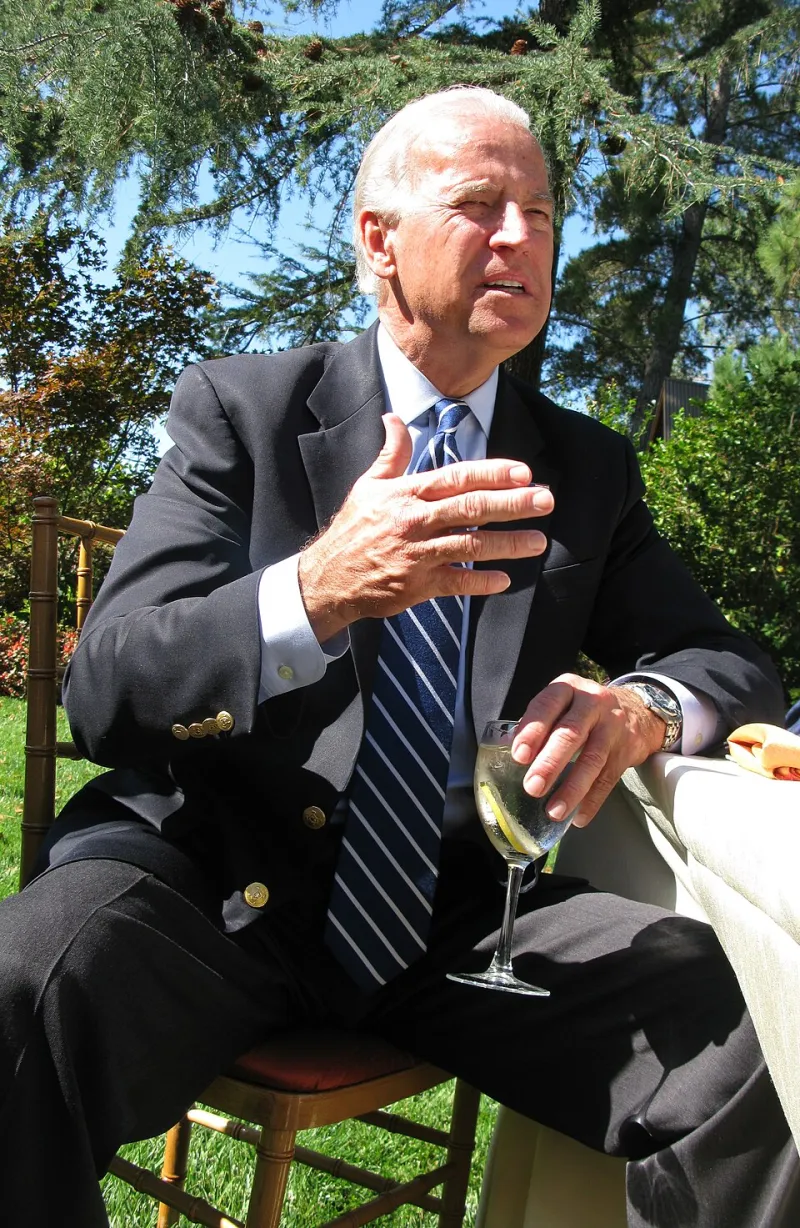
Photo: Steve Jurvetson from Menlo Park, USA, CC BY 2.0, via Wikimedia Commons
There is a particular kind of quiet that settles over a restaurant at 12.45 on a Saturday. The tables are laid, the first bottles are open, and the room is still deciding what kind of afternoon it's going to be. By one o'clock, it has made up its mind. This is the long lunch: Britain's most civilised excuse to dress up, and the one big occasion we keep treating like a quick pit stop.
The case for taking daylight seriously
Dinner has had the monopoly on ceremony for too long. It gets the candles, the anniversary bookings and the good shoes. Lunch, meanwhile, is too often something we squeeze between errands and a supermarket run. But a weekend lunch — properly done, with no clock-watching and no second thought about the extra coffee — is not a lesser dinner. It is a different pleasure altogether. You arrive in daylight. You leave in the soft end of the afternoon. Somewhere in between, the meal becomes the day.
At Othello, we see it every weekend: the table that books for 12.30 and is still laughing at 4. The couple who order the same thing every time because it's their ritual. The group of friends who dress as if they're going somewhere far more glamorous than a restaurant a few streets from home. They have understood something. A long lunch is not a break from the day. It is the day.
The first aperitif sets the pace
The long lunch begins before the food. It begins with the decision to sit down properly, to order something cold and bright, and to stop pretending you're in a hurry. A glass of something dry, a bowl of olives, a look at the menu that isn't a race. This is the moment the afternoon changes gear. The phone goes face down. The coat comes off. The shoulders drop.
There is a useful rule here: order the aperitif you'd order at dinner. Not a quick half, not a coffee because it's still technically morning. Something with a bit of ceremony. The point is not to drink more. It is to mark the transition. You are not popping in. You are dining.
Order as if the afternoon belongs to you
Lunch has one great advantage over dinner: time is on your side. You can order the things that take a little longer. You can share a starter and still have room for pudding. You can ask for the vegetables, the extra bread, the second pot of coffee. A long lunch rewards the deliberate order — the dish you've been thinking about since you booked, not the one you panic-chose because you're due back at your desk.
This is also where the dressing-up comes in. Not because lunch demands a tie or a stiff collar, but because clothes change how you sit in a room. A good jacket, a favourite dress, a pair of shoes that mean something — these are small signals to yourself that this is an occasion. The restaurant will meet you halfway. A well-dressed table tends to get a well-dressed afternoon.
The middle hours are the point
Somewhere after the main course, the long lunch enters its best phase: the unplanned one. The conversation that goes off-piste. The second bottle that wasn't on the agenda. The pudding menu that appears and is not refused. The coffee that turns into a walk. This is not self-indulgence. It is the whole purpose of the exercise. Dinner has a natural end because the evening does. Lunch can stretch into the afternoon, and the afternoon can stretch into whatever comes next.
In Britain, we are oddly suspicious of this. We treat a long lunch as something that happens in films, or in Soho in another decade, or on holiday. But it doesn't need a special reason. A birthday, a promotion, a Saturday, a friend you haven't seen since the summer — these are all sufficient. The only real requirement is that you decide the afternoon is worth more than a sandwich at the kitchen counter.
Give the coffee its due
The last act of a long lunch is the coffee, and it should not be rushed. This is where the meal settles. You order a flat white or an espresso, maybe something sweet, and you let the table stay as it is. No one is hovering. No one is checking a watch. The bill can wait. The point is to sit in the afterglow.
At Othello, we like the tables that linger. They are the ones that make a restaurant feel alive at three in the afternoon, when the lunch crowd has thinned and the room has that contented hum. You can hear the clink of a spoon, the low murmur of a conversation that has nowhere else to be. It is a very British kind of pleasure, and we should protect it.
The invitation you should send
So here is the case for the long lunch, plainly put: it is the best excuse we have for dressing up without the pressure of a big night out. It is slower than dinner, lighter than a wedding, and more generous than brunch. It asks only that you give it the same care you'd give an evening booking — the same attention to the table, the same appetite for the ritual, the same willingness to stay for one more coffee.
Book the 12.30. Wear the good shoes. Order the thing you actually want. Let the afternoon take its time. The long lunch is not a guilty pleasure. It is a civilised one, and it is waiting for you this weekend.