The Best Seat in the House: A Field Guide to Choosing Your Table
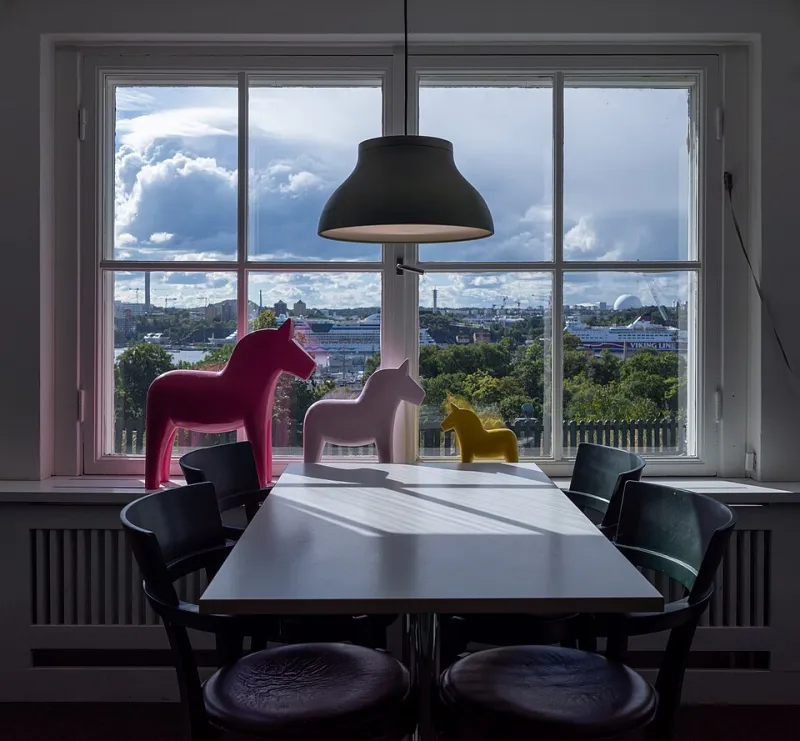
Photo: Jules Verne Times Two, CC BY-SA 4.0, via Wikimedia Commons
There is a moment, just after you've given your name, when the restaurant decides where to put you. You can feel it. The host glances at the screen, then at the room, then back at you. Somewhere in those three seconds, your evening takes shape. A window table, a corner booth, a seat by the kitchen door — the table you get is not a detail. It is the first course.
Why the table matters before the menu
A good restaurant is a room, not just a kitchen. The lighting, the noise, the sightlines, the distance between you and the next table — all of it changes how the food tastes and how the evening feels. Put the same meal in a draughty corridor and it becomes a pit stop. Put it in a corner with a view of the room and it becomes an occasion. This is not snobbery. It is atmosphere, and atmosphere is half of hospitality.
At Othello, we've watched tables do their quiet work. The window seat that turns a midweek supper into a proper night out. The banquette that makes a group of six feel like they've got their own private dining room. The corner that gives a first date something to look at besides each other. None of this is accidental. The right table is worth asking for, and worth knowing how to ask for.
Window seats: the theatre of the street
The window table is the most requested seat in the house, and for good reason. It gives you two views for the price of one: the room behind you, the world in front. There is a reason so many proposals, reconciliations and birthday announcements happen at window tables. You are part of the restaurant, but you are also part of the street. The light changes. The passers-by provide a gentle distraction when the conversation needs one. It is the closest thing to dining al fresco without the risk of a British shower.
The catch is that window seats are not always the most private. If you're planning to discuss something delicate — a breakup, a job offer, the fact that you've accidentally invited your mother-in-law — you might want a little more cover. But for a date, a celebration, or a solo lunch with a book and a glass of something white, the window is hard to beat.
Corner booths and banquettes: the art of the huddle
If the window is about looking out, the banquette is about closing in. A corner booth gives you three walls and a sense of ownership. It is the best seat for a group, a family meal, or anyone who likes to spread out the menus and order too much. It is also the most forgiving table for a long lunch, because the seating itself says: stay a while.
Banquettes have a social effect. They push people together, which can be a good thing or a bad thing depending on the company. For a birthday, a reunion, or a table of friends who haven't seen each other in months, it's perfect. For a first date, it can be a little full-on. For a solo diner, a banquette can feel like you're taking up space that belongs to a party. If you're on your own, ask for a smaller table with a view rather than a booth for four.
The seats that don't work — and when they do
Not every table is a winner. The one by the kitchen door gets the clatter. The one under the speaker gets the bass. The one in the middle of the floor gets the foot traffic. But context is everything. A seat by the pass can be thrilling if you're a food obsessive who wants to watch the plates go out. A table near the bar can be exactly right if you're after a bit of buzz. The middle of the room is the worst place for a quiet catch-up and the best place for people-watching.
The trick is to know what you want before you arrive. A celebration needs a bit of theatre — a window, a booth, a table with a view of the room. A date needs intimacy — a corner, a banquette, a table that isn't in the main thoroughfare. A solo dinner needs comfort and a bit of privacy — a small table by the wall, a seat at the bar if the restaurant has one. None of these are hard rules. They're just starting points.
How to ask for a better table (without making a fuss)
The first rule is simple: ask. Most restaurants will do what they can, especially if you book ahead. When you reserve, mention what you're after. 'A quiet corner if possible' or 'a window table would be lovely' is not a demand. It's a helpful note. The host will appreciate knowing.
The second rule is to ask nicely at the door. If you're shown to a table you don't love, you can say, 'Is there any chance of the window table when it's free?' Most hosts will check. What they won't respond to is a list of complaints delivered before you've taken your coat off. The people who seat you are the same people who can move you. Be the customer they want to help.
The third rule is to accept the answer. If the restaurant is full, it's full. A good table is worth waiting for, but a bad mood is not worth starting the evening with. Book the next visit. Ask for the corner booth then.
Match the table to the occasion
A memorable night out begins before the first course arrives. It begins with the seat you're given and the way it makes you feel. A window table for a date. A banquette for a celebration. A quiet corner for a solo dinner. A bar seat for a quick, bright lunch. These are small choices, but they set the tone for everything that follows.
So the next time you book, don't just think about the menu. Think about the room. Ask for the table you want. The best seat in the house is usually the one that makes you want to stay for one more coffee — and that's worth asking for.