The Callback Menu: Giving Your Almost-Order a Second Act
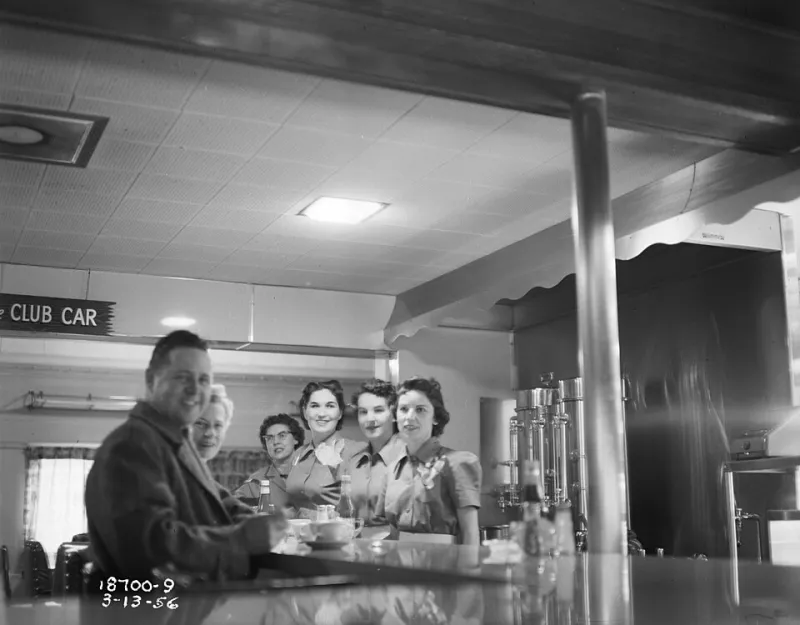
Photo: "Thomas" @ Seattle Engineering Department, CC BY 2.0, via Wikimedia Commons
There is a particular silence that falls over a table just after the plates land. It lasts about a second and a half. Everyone is looking at their own dinner, or pretending to, while quietly auditing everyone else’s. Then someone says, “That looks good,” and the evening carries on. But the damage, if there is any, has already been done.
You have dressed for the occasion. You have booked the table, navigated the menu, made a decision like a grown-up. And then the dish you nearly ordered arrives in front of somebody else, looking like it has been lit from within. Suddenly your own plate — perfectly nice, perfectly respectable — feels like the supporting act.
This is the understudy dish: the one you rejected at the point of ordering, the one that waits in the wings while somebody else takes the spotlight. It is not a tragedy. It is not even really a problem. But it is one of the small, ridiculous dramas of eating out, and it deserves a proper look.
The Quiet Drama of the Almost-Order
A menu is a script. Every dish has a role: the reliable opener, the scene-stealer, the comforting third act, the pudding that gets the applause. When you order, you are casting the evening. And like any good piece of theatre, the best menus are built to make you hesitate. If you never feel a flicker of doubt, the menu is not doing its job.
The almost-order is the dish that made you pause. Maybe you were torn between two mains and went with the safer one because you were hungry and impatient. Maybe the person across from you ordered the other, and British politeness kicked in: you did not want two of the same on the table, did you? Maybe you were tempted by the odd cut, the bitter greens, the sauce that sounded like it needed a spoon, and then you talked yourself out of it.
So the understudy waits. It does not sulk. It simply sits there on the menu, quietly confident, while you get on with the business of enjoying what you actually chose.
Why the Near-Miss Stings
Menu envy is not really about greed. It is about curiosity, and the small discomfort of the road not taken. Restaurants curate near-misses. A good menu should make you hesitate, because hesitation means you are paying attention. The problem is that the pang can linger. You spend the rest of the meal glancing at the other plate, wondering whether you made the wrong call, and forgetting to enjoy the one in front of you.
The remedy is not to order everything. It is to treat the near-miss as an invitation rather than a rebuke. The dish you did not order is not evidence that you chose badly. It is evidence that the menu has more than one good idea in it. That is a reason to come back, not a reason to spend the evening in quiet regret.
A Word from the Pass
Kitchens know about understudies. Chefs see the dishes that get overlooked because they sit next to a crowd-pleaser, or because the name sounds unfamiliar, or because the description is a little too honest about the anchovy. Sometimes the understudy is the more interesting plate: the one with the sharper edges, the stranger texture, the sauce that asks you to pay attention.
That does not mean you should order the weird thing out of duty. Nobody wants a dinner eaten as a civic exercise. But it does mean it is worth asking. A good server will tell you which dish is singing tonight, which one the kitchen is quietly proud of, which one deserves a second look. You do not have to demand a tasting. You can simply say, “I was torn between this and that — which would you send out?” That is not indecision. It is research.
Three Ways to Give the Understudy Its Night
Order it next time. This sounds obvious, but it is surprisingly rare. Make the return visit specific. Book a table with the almost-order in mind, the way you might book a theatre ticket for a particular understudy’s night. It gives the next dinner a shape and a reason.
Share the part. British tables are famously bad at this, but the middle course is your friend. Order the understudy as a starter or a plate to share, or split two mains between you. Two forks, one plate, no need for a formal treaty. You get the taste without abandoning the dish you actually wanted.
Ask the kitchen. If you are genuinely torn, say so. Sometimes a small taste will come your way. Sometimes the server will simply tell you which one is better tonight. The point is not to turn dinner into a negotiation. It is to let the people who cook the food help you cast the evening.
The Return Visit as Second Act
Theatre has understudies because no single performance can carry everything. Menus work the same way. The dish you did not order is not a failure of decision-making. It is a plot point for next time. The best restaurants do not want you to have one perfect meal and disappear. They want a relationship with your appetite, which means the menu should leave a thread loose.
So next time the plates land and you feel that small, ridiculous pang, do not bury it. Name it. Say, “I nearly had that.” Then decide: steal a forkful, plan a return, or ask what else is waiting in the wings. The understudy is not a consolation prize. It is the dish that keeps the evening interesting after the curtain comes down — and the reason to put the good jacket on again.